

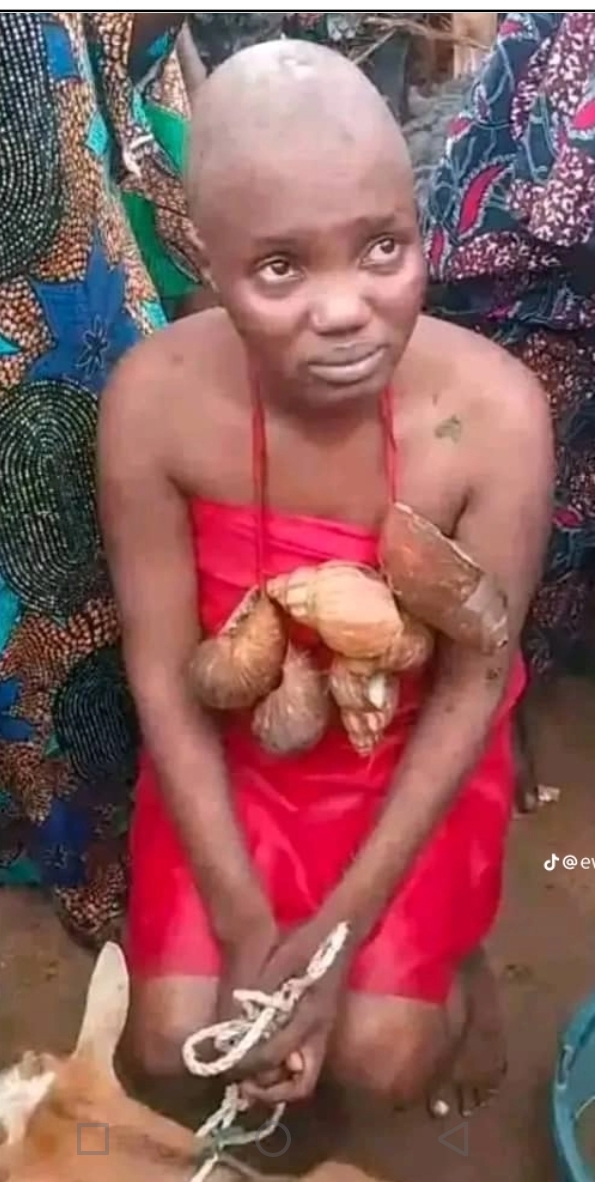
A female TikTok content creator at the centre of the controversy surrounding the 2026 Oloolu Festival in Ibadan, Oyo State, has denied widespread claims that she filmed the sacred Oloolu masquerade, insisting that she neither recorded the revered traditional figure nor died as rumoured on social media.
The woman, identified as Wasilat, made the clarification during a telephone interview on Lagelu FM’s Ibi Aye N Lo programme, where she recounted the events that led to the viral controversy.
According to her, she had gone to her family’s shop in the Oremeji area on Thursday but did not even open for business. While standing outside, she noticed people passing by, including an Amotekun vehicle, and decided to record what she saw.
Wasilat said she later uploaded the video to TikTok, after which users flooded her comment section, urging her to delete the clip. The following day, some individuals reportedly confronted her at the shop.
“I am not dead. I did not capture the Oloolu masquerade. May I not be implicated; I did not record Oloolu,” she said, adding that she does not know why she became the target of the controversy.
The incident generated widespread attention after videos emerged online showing Wasilat undergoing traditional cleansing rites at the Oloolu compound, fueling speculation that she had violated a sacred cultural restriction.
However, the spokesperson to the Olubadan of Ibadanland, Chief Adeola Oloko, clarified that Wasilat did not film the Oloolu masquerade. Instead, he said she mistakenly recorded Aláwo Oloolu, the traditional custodian and priest associated with the Oloolu institution.
According to Oloko, the Mogaji of the Oloolu compound confirmed that the woman captured Aláwo Oloolu on the street after mistaking him for the sacred Oloolu masquerade.
Although the traditional cleansing has continued to generate public debate, there has been no official confirmation linking Wasilat’s reported health challenges to the video she recorded.
The incident has nevertheless reignited conversations about respect for Yoruba cultural traditions, the role of social media in documenting sacred ceremonies, and the importance of verifying information before sharing it online.